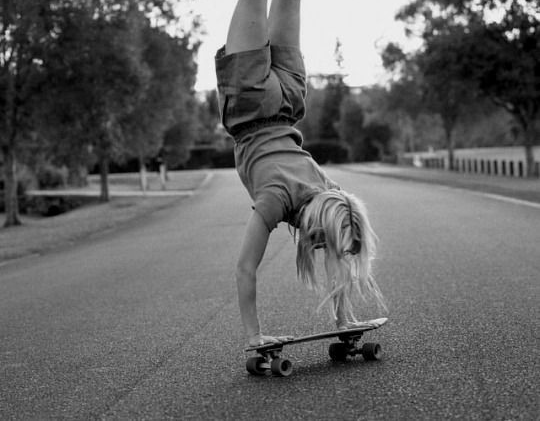
There’s no shortage of literature on the link between play, creativity, and leadership. We hear it all the time: play makes leaders more creative problem-solvers. And yet, when companies try to implement this idea, we end up with offsites where we “play” by assembling canoes or climbing trees together. If we’re lucky, we get to build a bridge out of Legos while being told this is serious play.
And that’s where I hit a wall. Serious play? When did we decide that play had to be productive? That it had to serve a purpose? Somewhere along the way, we started treating play as a means to an end, stripping it of its essence—its joy, curiosity, and freedom.
But real play? Real play has no agenda.

The Art of Playing for the Sake of Playing
Play is about stepping outside the rigid structures of daily life and injecting something unexpected—without knowing or caring where it will lead. It’s about that electric feeling of discovery, the butterflies in your stomach when you stumble upon something unplanned, something new.
For me, play often looks like this: I land in a new city, lace up my running shoes, and head out with no map, no destination—just movement and curiosity. I turn corners on a whim, follow the sound of music drifting through an alley, or take a detour because a street art mural catches my eye. Maybe I find an old bookshop hidden behind a vine-covered door. Maybe I run past a café where people are gathered in animated conversation, and I stop just to listen.
And when the run is over? Nothing happens.
No groundbreaking leadership insight. No genius productivity hack. Just a sense of having felt something—a moment that leaves an imprint. Sensations. A memory. The joy of novelty in the familiar. And that’s enough. Because creativity isn’t something you manufacture on command; it’s something that emerges when you let your mind wander, when you allow yourself to get lost without expectation.

Creativity Lives in the Unexpected
This is why I struggle with the way we try to engineer creativity. We throw teams into artificial play scenarios, expecting instant takeaways, neatly packaged lessons. But creativity doesn’t work like that. It thrives in the unknown, in the cracks of routine where new connections take shape.
This is exactly what I’m designing with my upcoming creative residencies for leaders. Trust me—the last thing we’ll do is build a canoe or a Lego tower. Instead, we’ll explore awe-inspiring places, take photos with old cameras, cook side by side with one of the world’s best chefs. Not because it’s a “team-building exercise,” but because it’s fun. Because it makes us feel alive. Because play is also about being okay with trying, with experimenting, with letting go of self-judgment.
And when we do that? Boom. That’s when the magic happens. The explosion of endorphins, the serotonin rush. And suddenly, creativity isn’t something we force—it’s something that flows naturally.

Make Play a Daily Ritual
So here’s my challenge for you: inject play into your day—just for the sake of it. Not to optimize, not to strategize, not to get better at anything. Just to feel something different.
Take a walk with no destination. Try cooking a meal without a recipe. Play with an idea like a kid playing with a new toy, with no concern for whether it’s useful.
Because the truth is, creativity doesn’t come from forcing outcomes. It comes from staying open to surprise. And that’s what play—real play—teaches us best.